Useful links
Sign up for our newsletter
Contact us
The Gibson Library
2 King Street
Saffron Walden
Essex CB10 1ES
Telephone: 0345 6037628
(Switchboard – ask for Saffron Walden Gibson Library)
Email: society@gibsonlibrary.org.uk

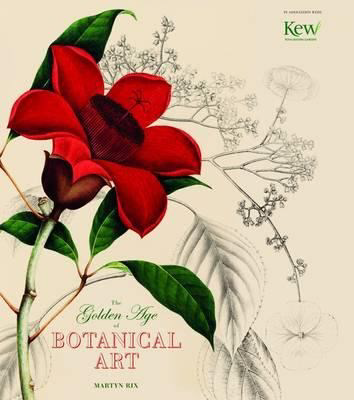
The early 19th Century saw a rise in the interest of botany both for scientific advancement and popular recreation. The influx of new plants from other parts of the world stimulated artists and gardeners.
The early years of the 19th century saw a proliferation of botanical copybooks of varying quality. James Sowerby’s A Botanical Drawing Book (1788) –“originally designed for the use of his pupils” was intended to “blend Amusement with Improvement”. Botanical artists were also commissioned to illustrate unscientific flower books such as Romance of Nature c.1833) by Mrs Meredith.
Walter Hood Fitch, the most prolific of all the botanical artists, led the field in high quality lithography. He was dominant throughout the mid-Victorian years. Of his work Sir Joseph Hooker said he had “unrivalled skill in seizing the natural character of a plant”. Towards the end of the 19th century, he and his nephew were almost alone in continuing this art. The decline of lithography was due to the invention of photography and the revival of the woodcut, which provided cheaper illustrations.